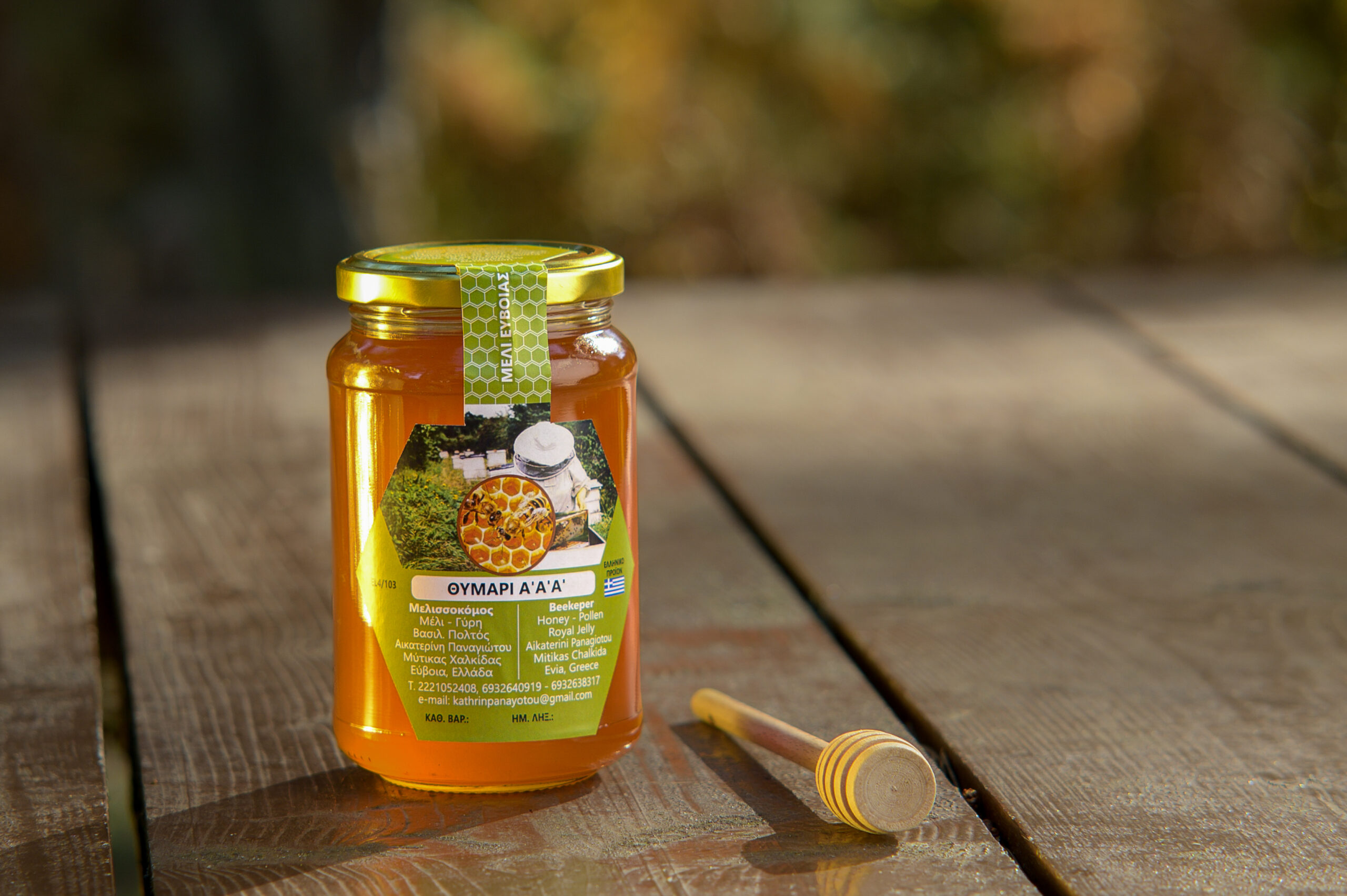
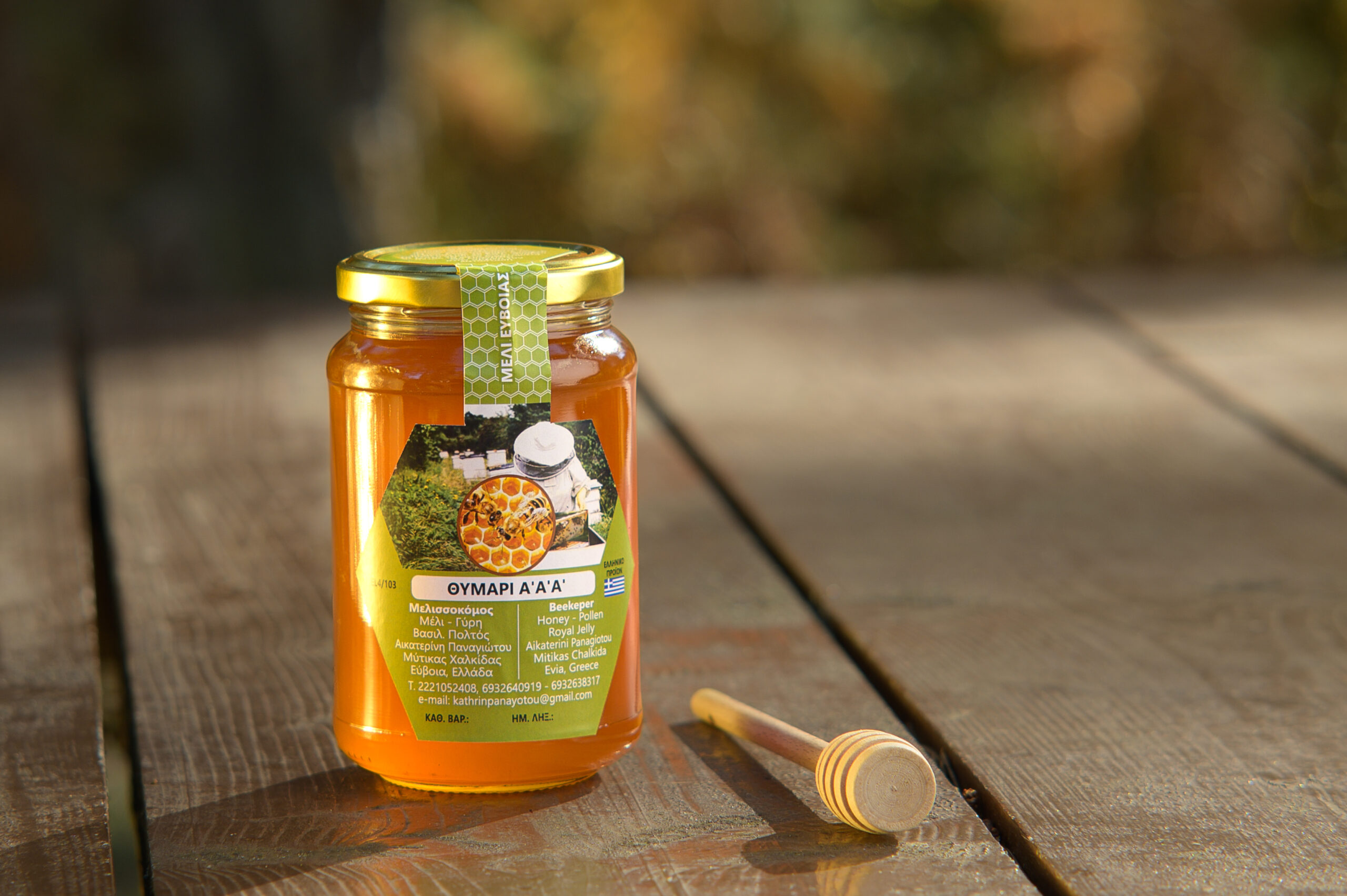
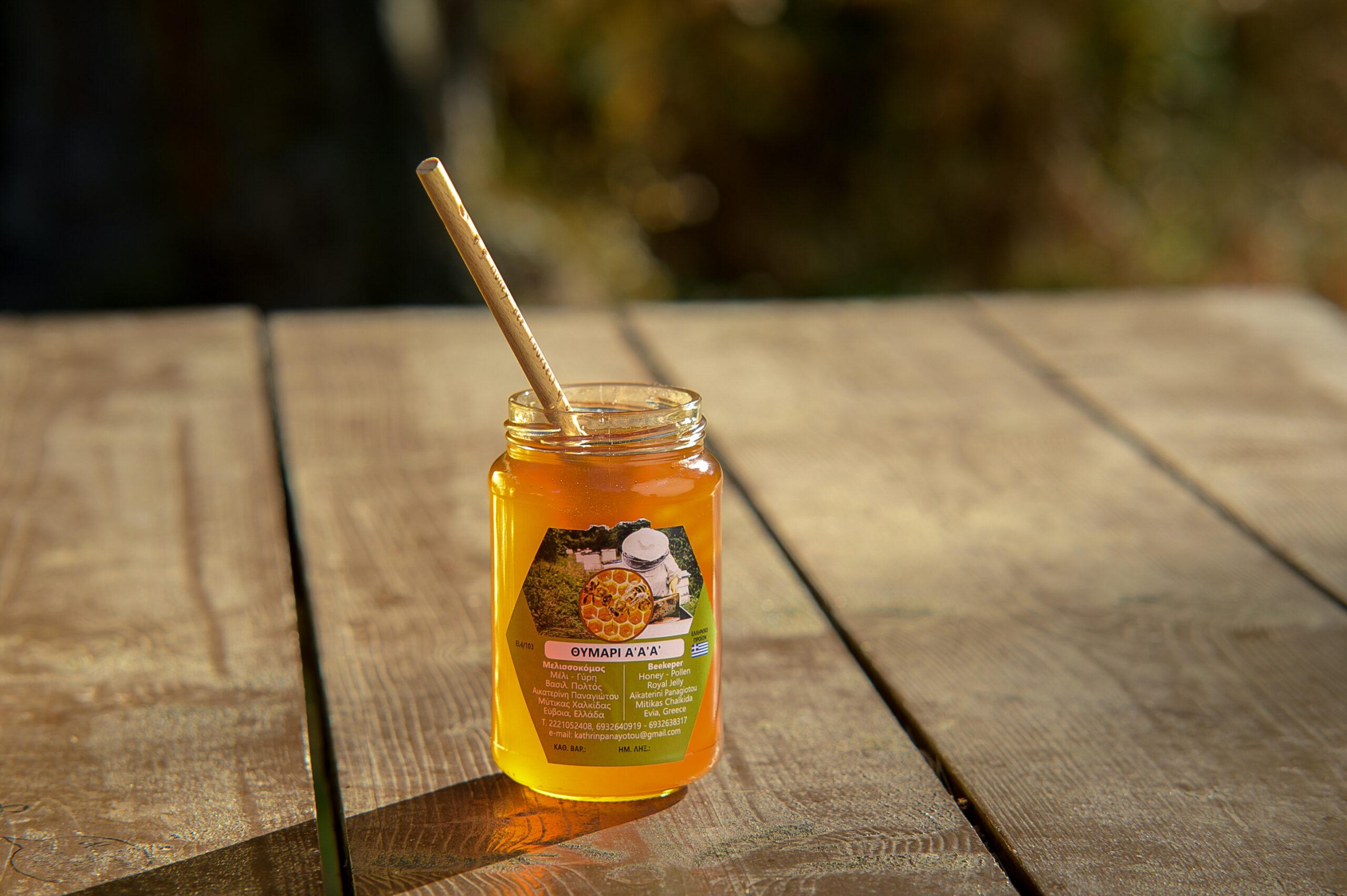
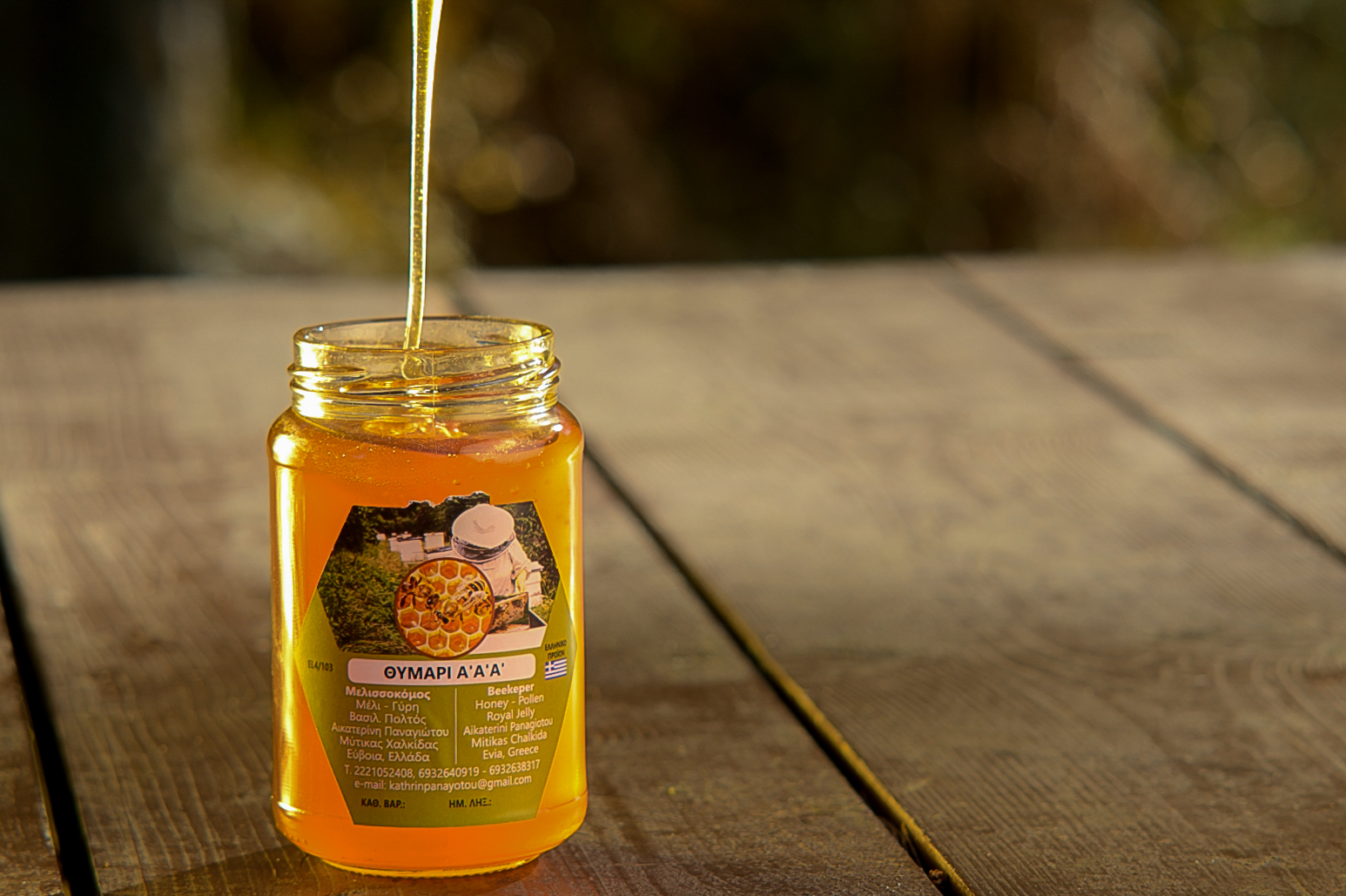
Description
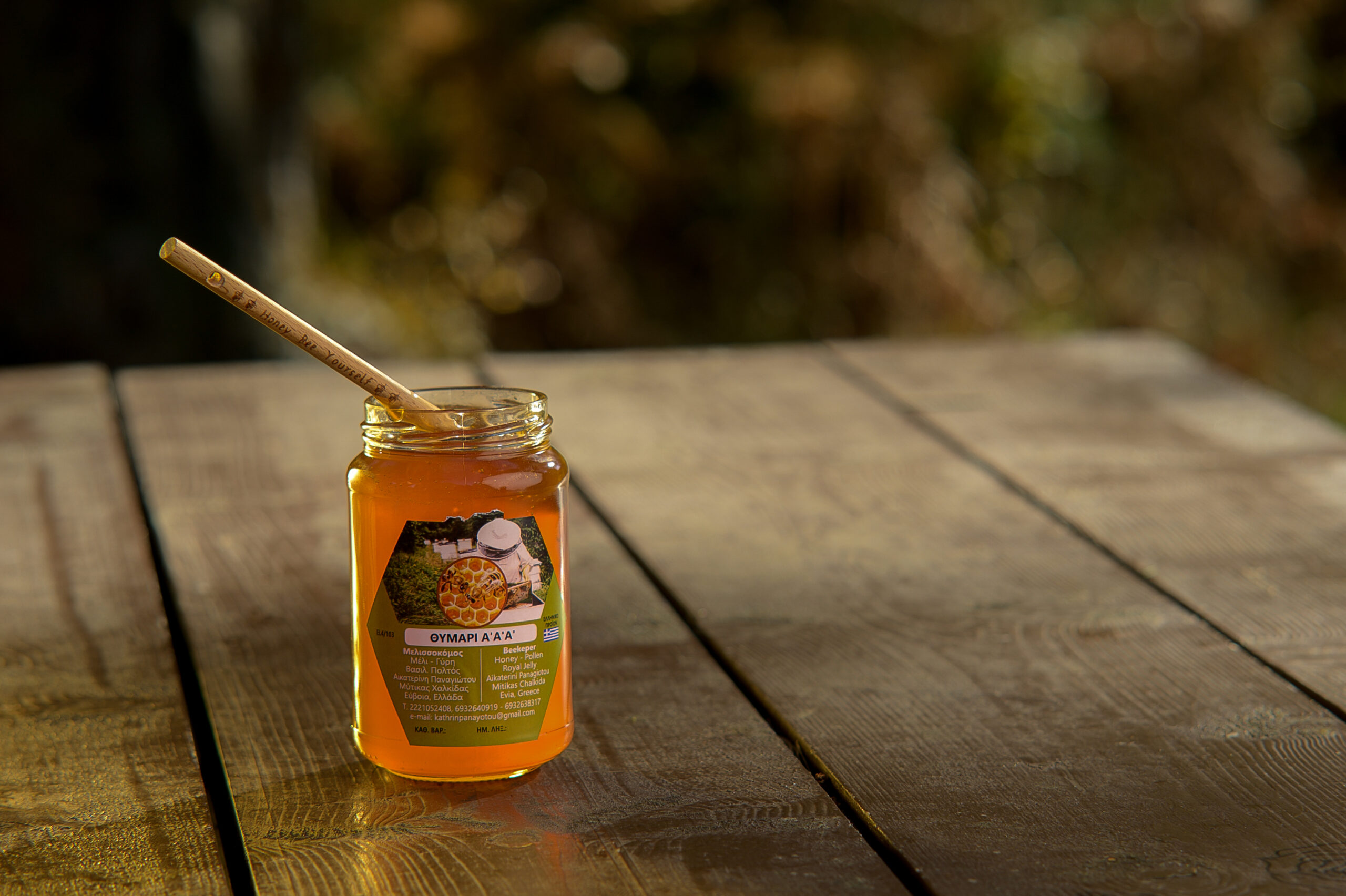
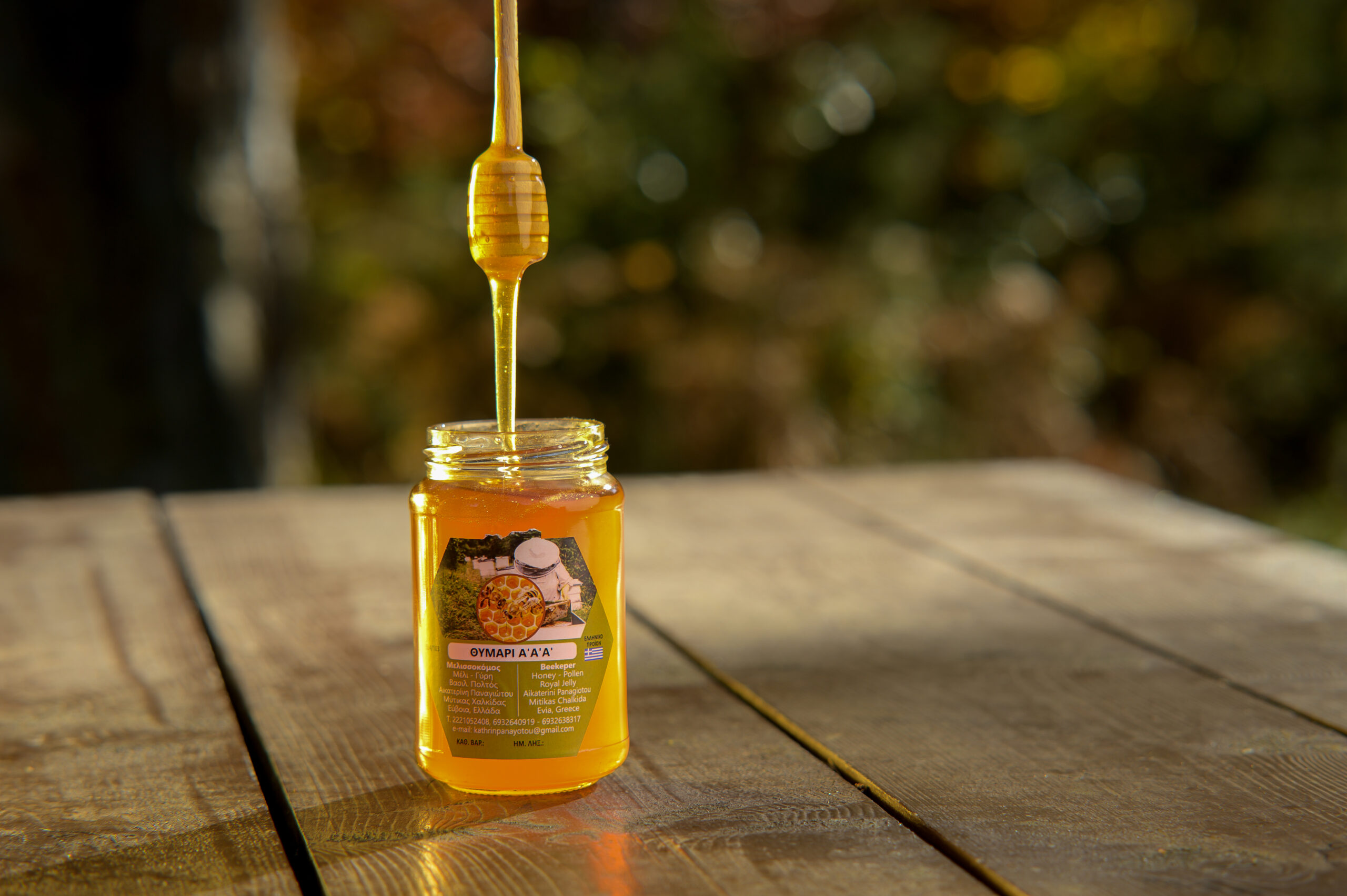
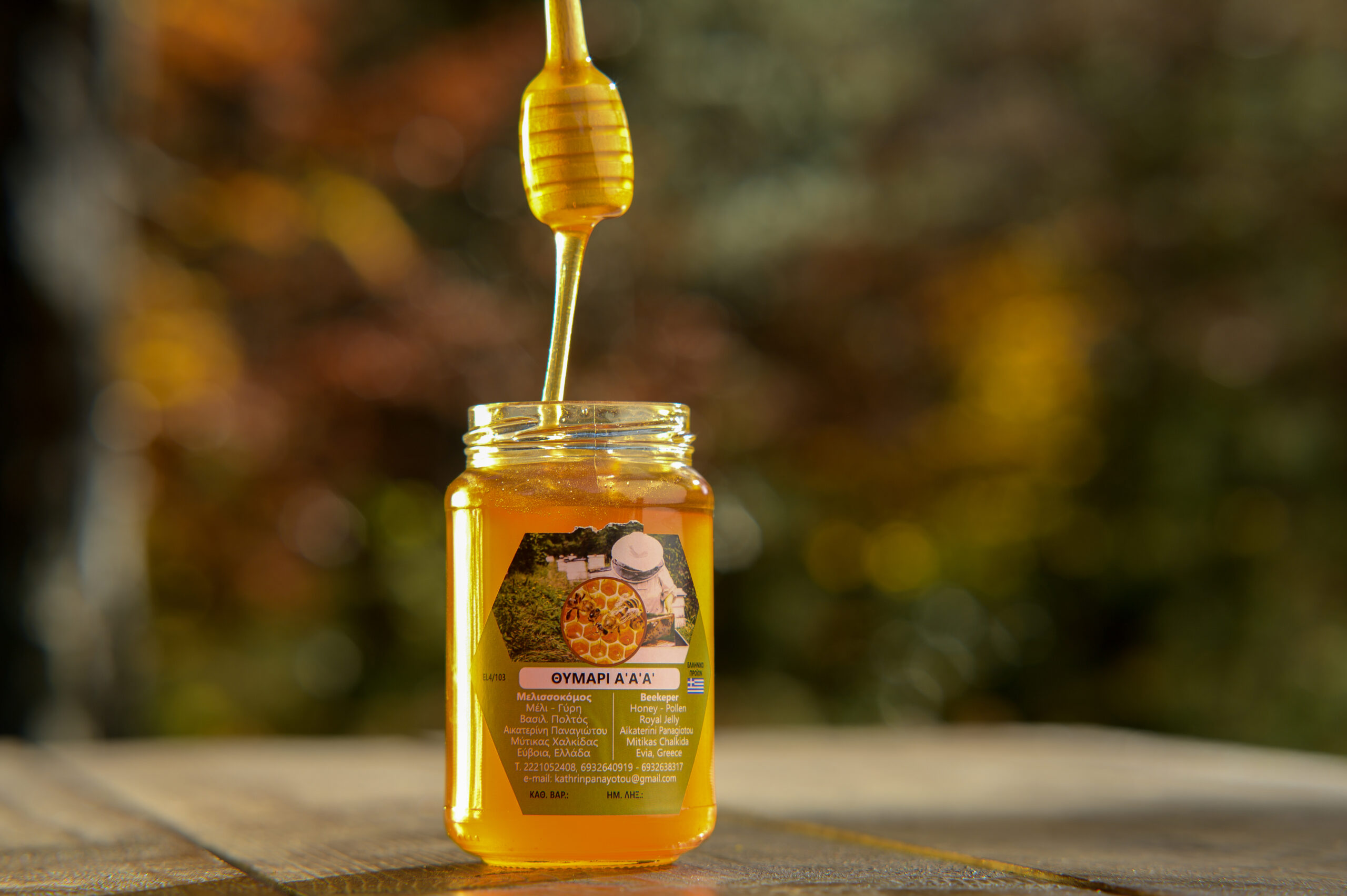
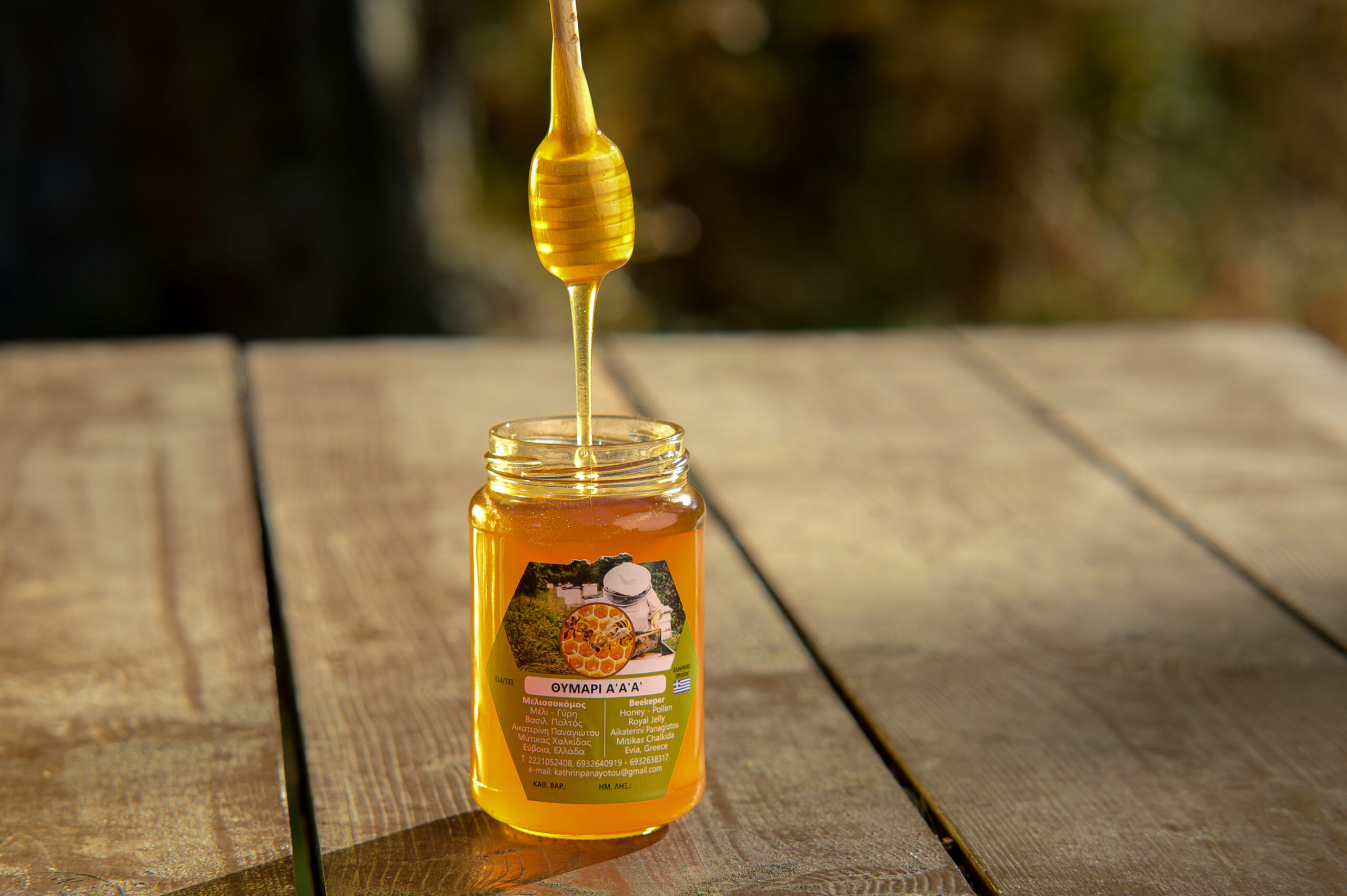
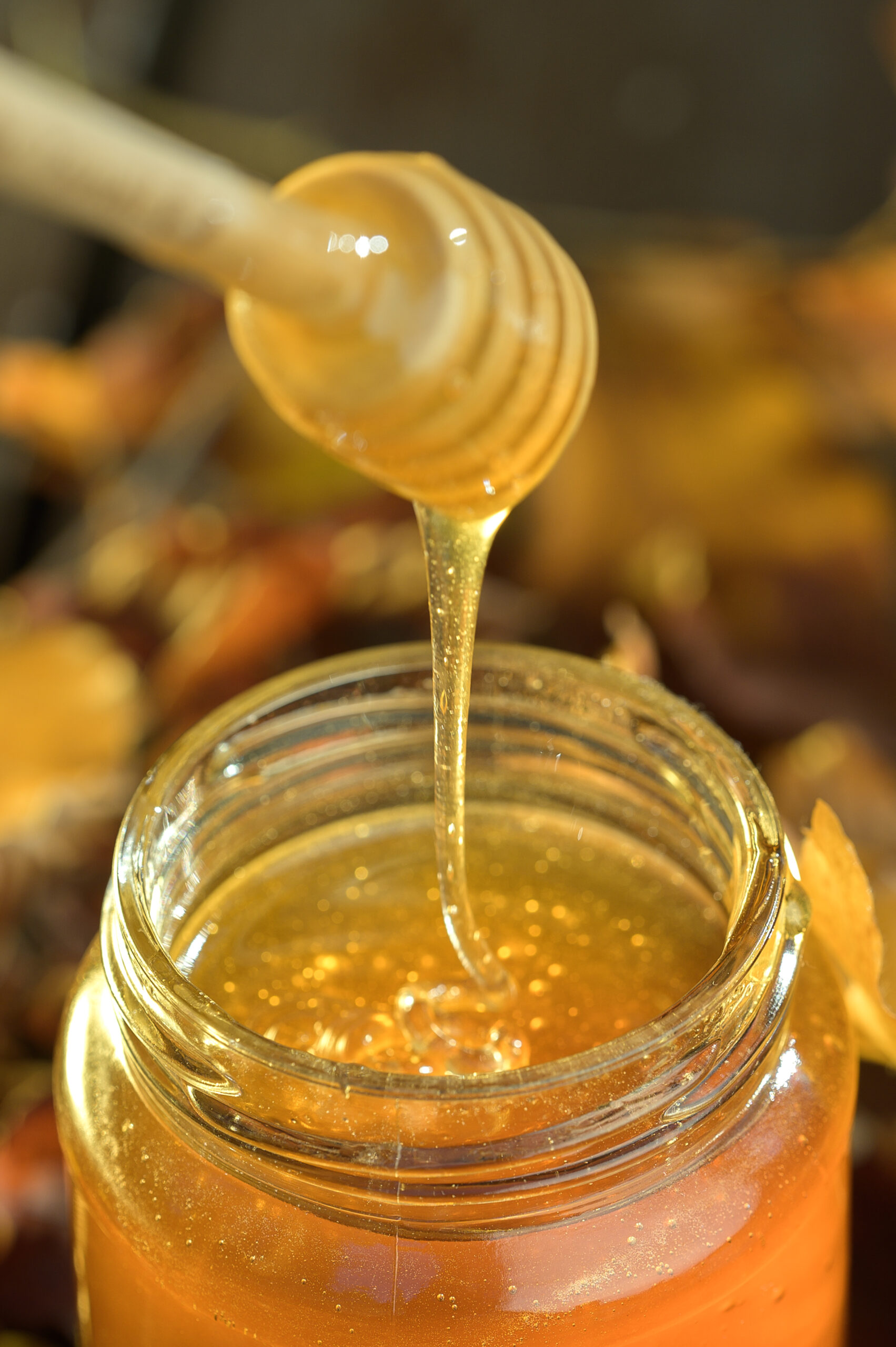
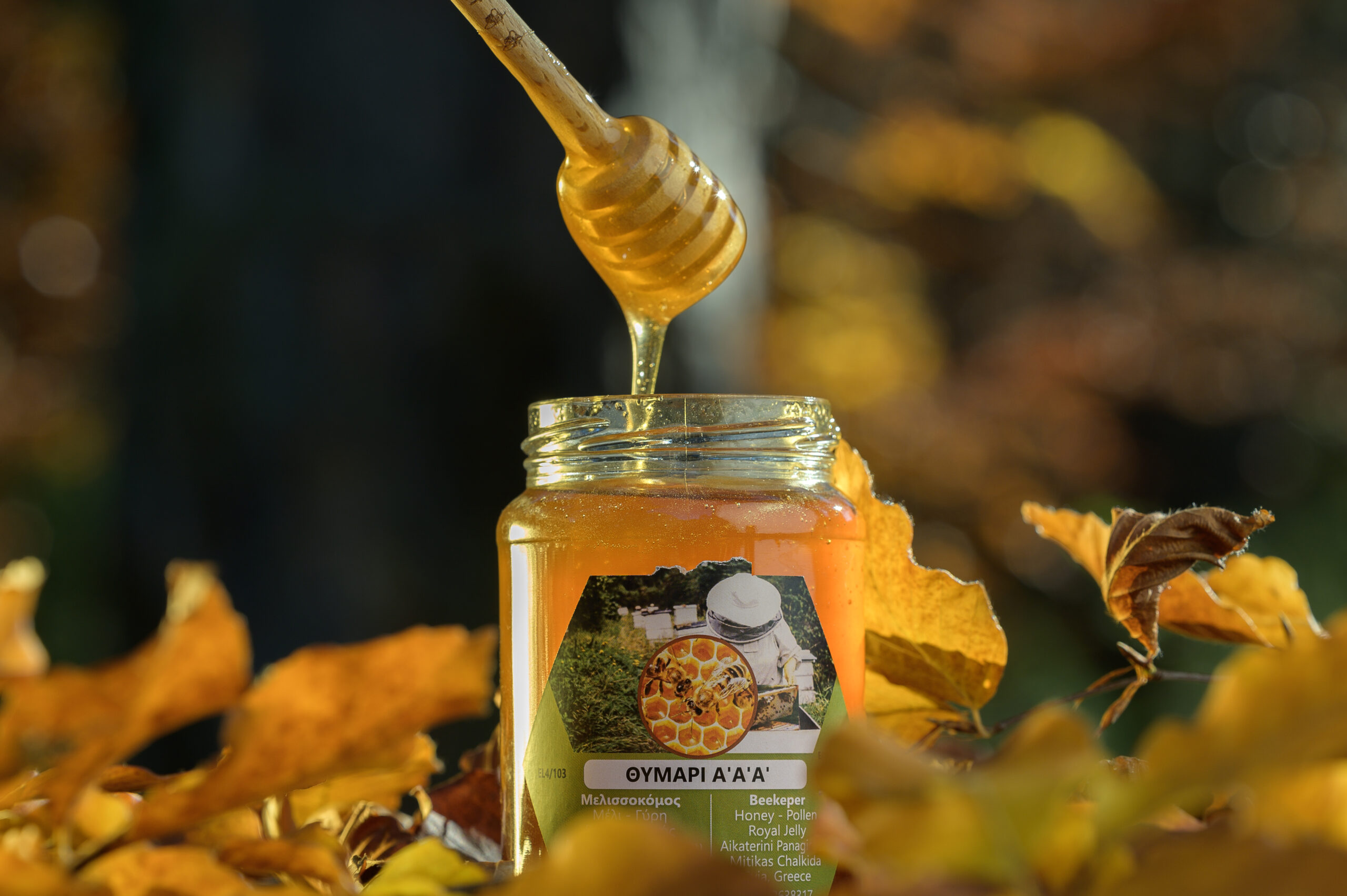
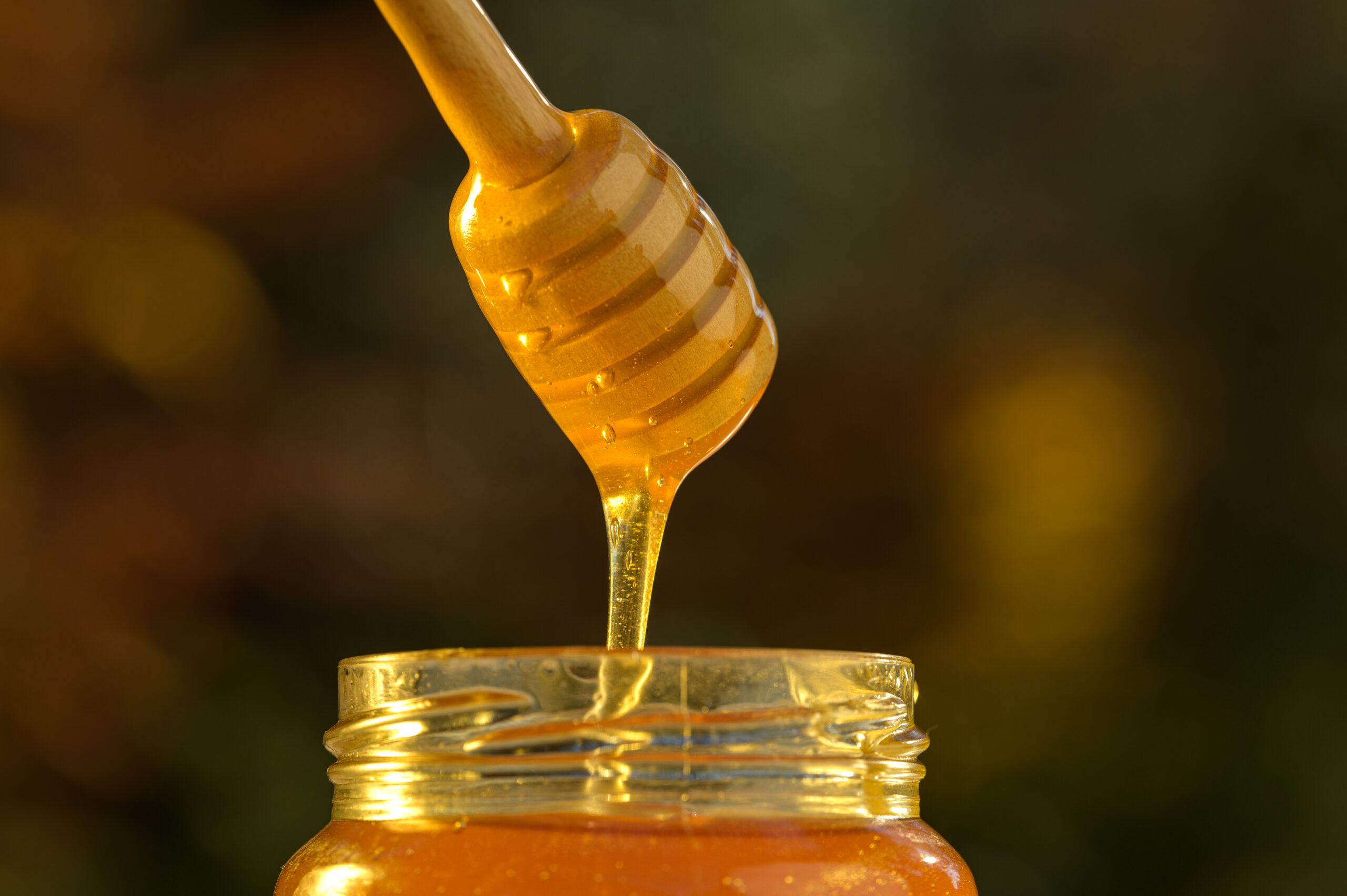
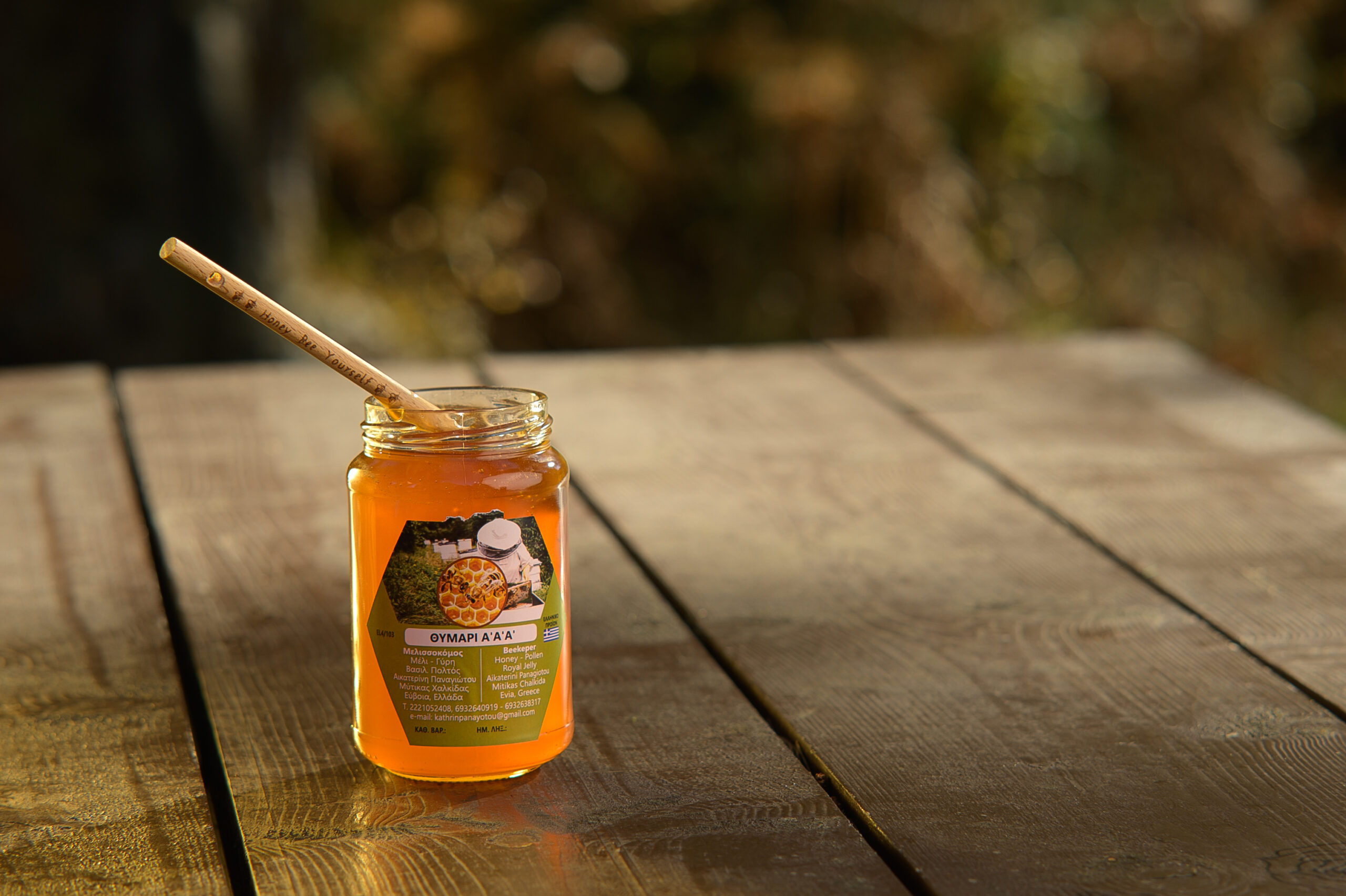
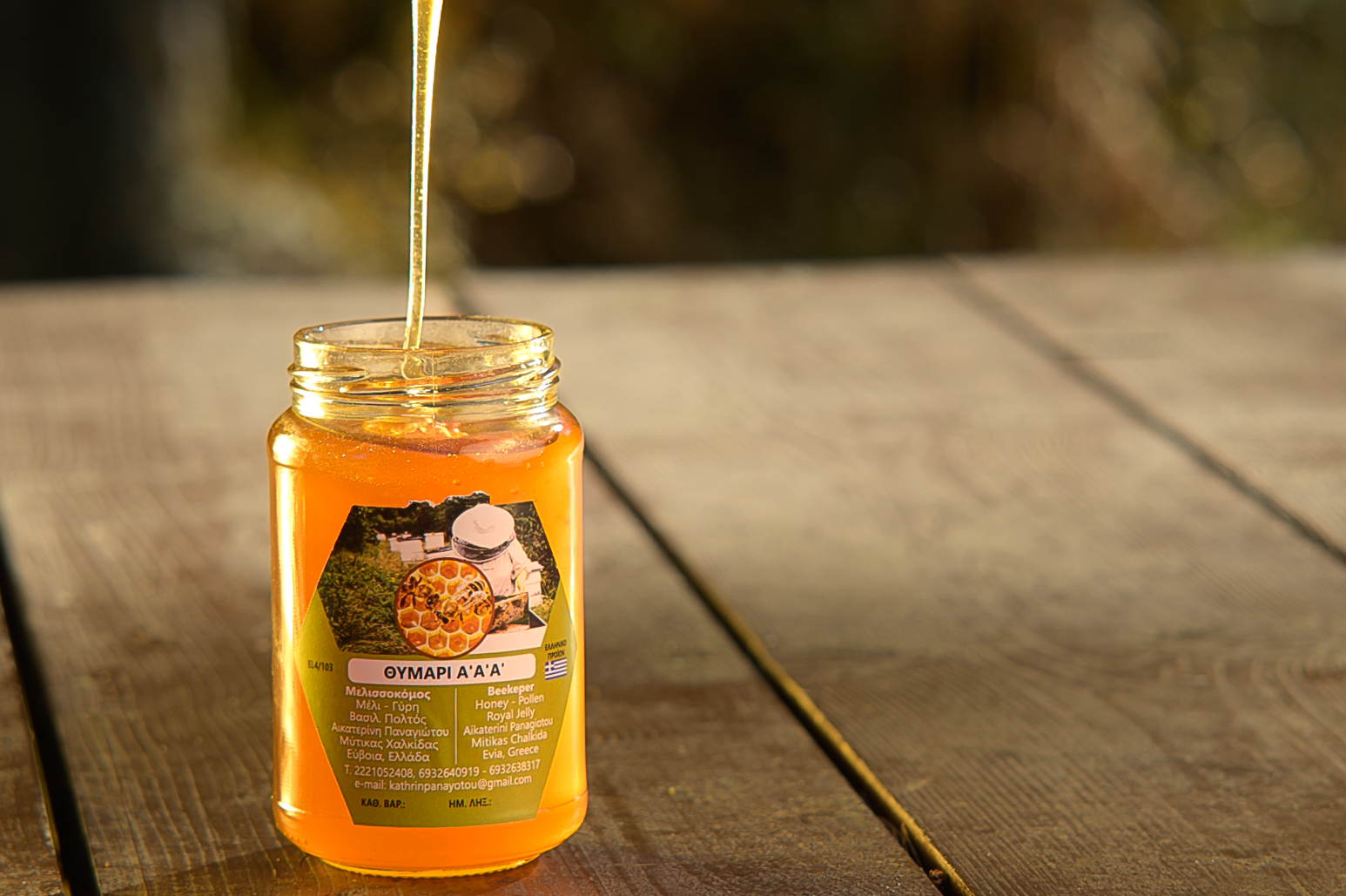
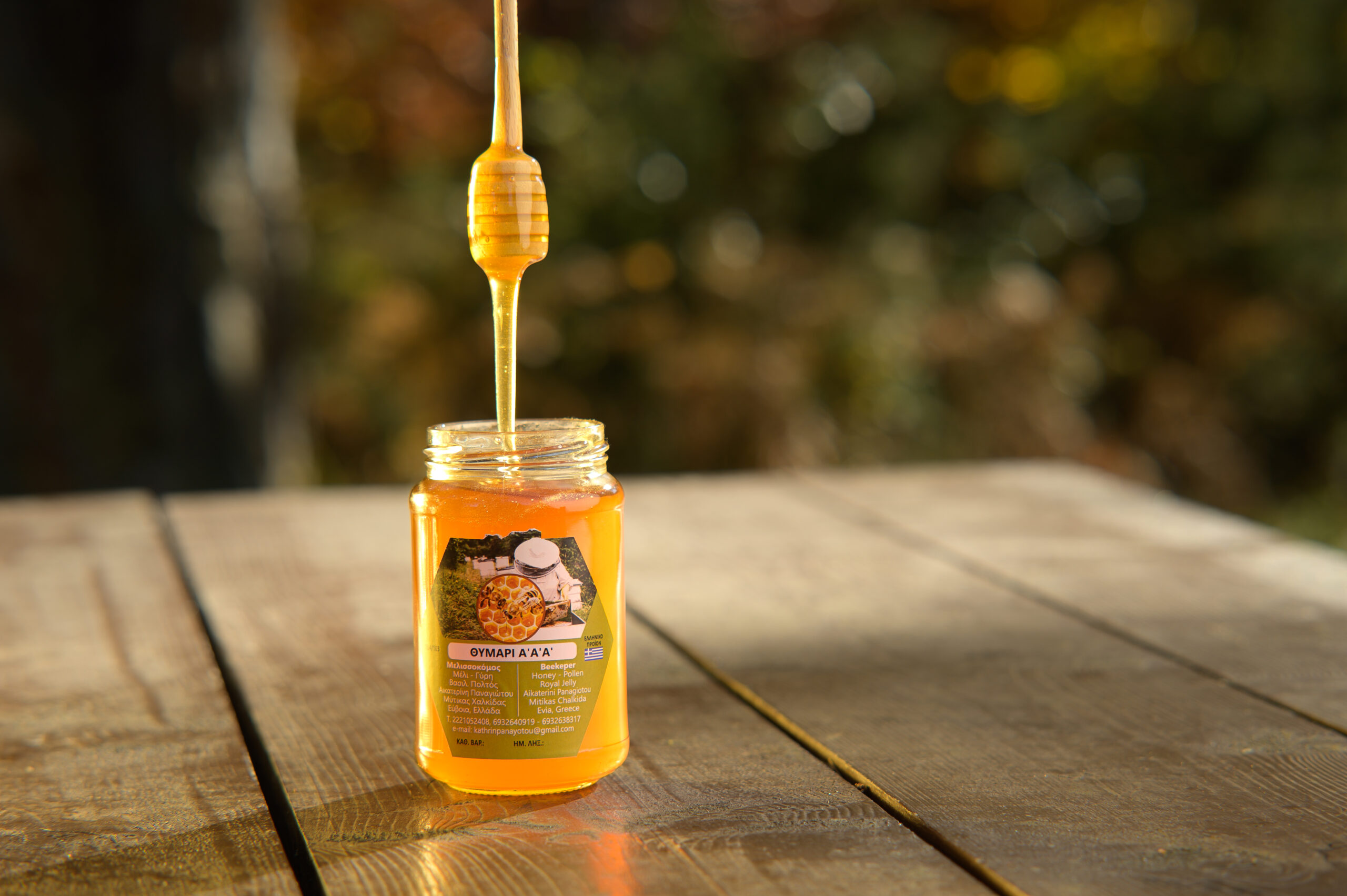
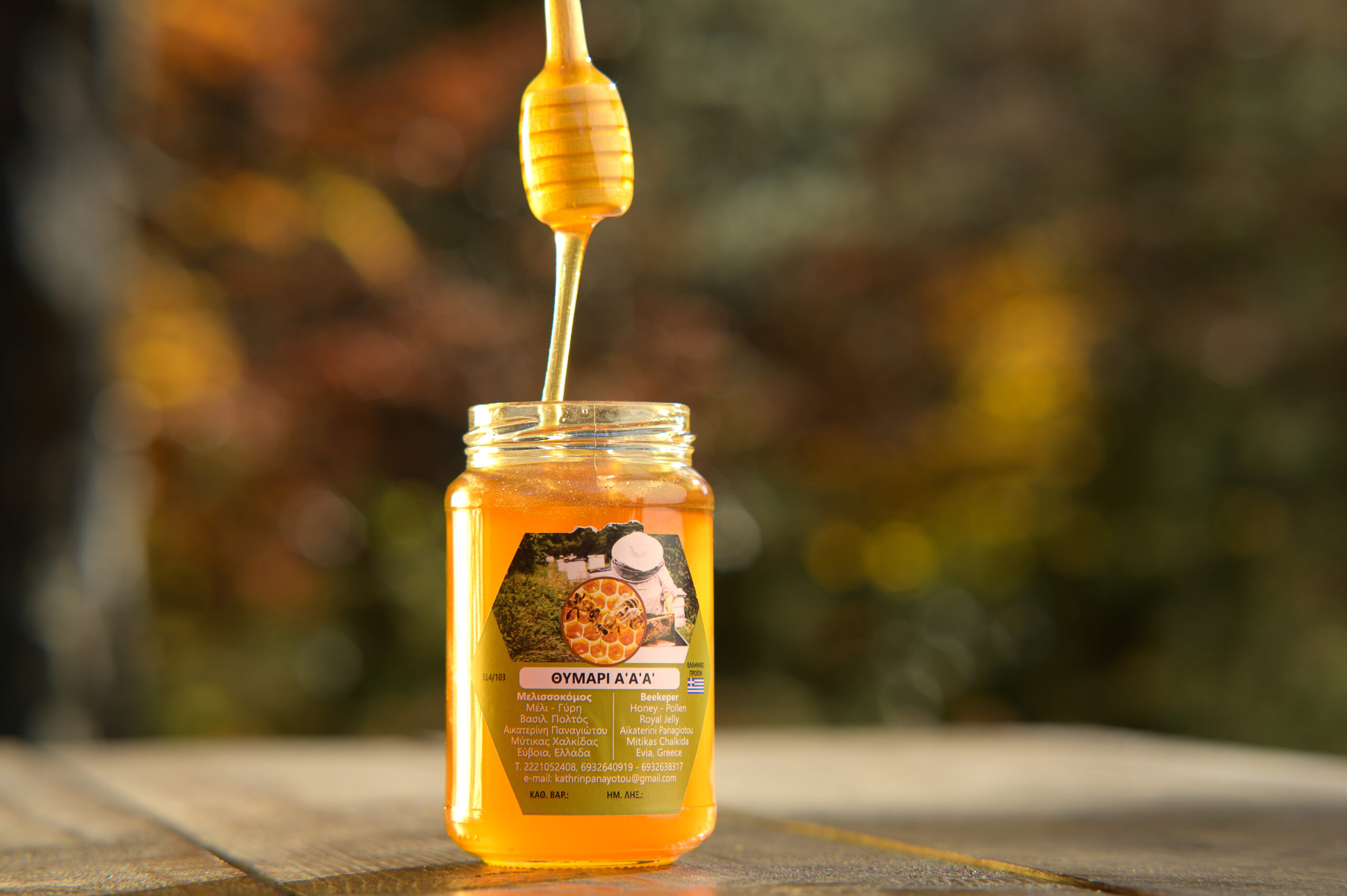
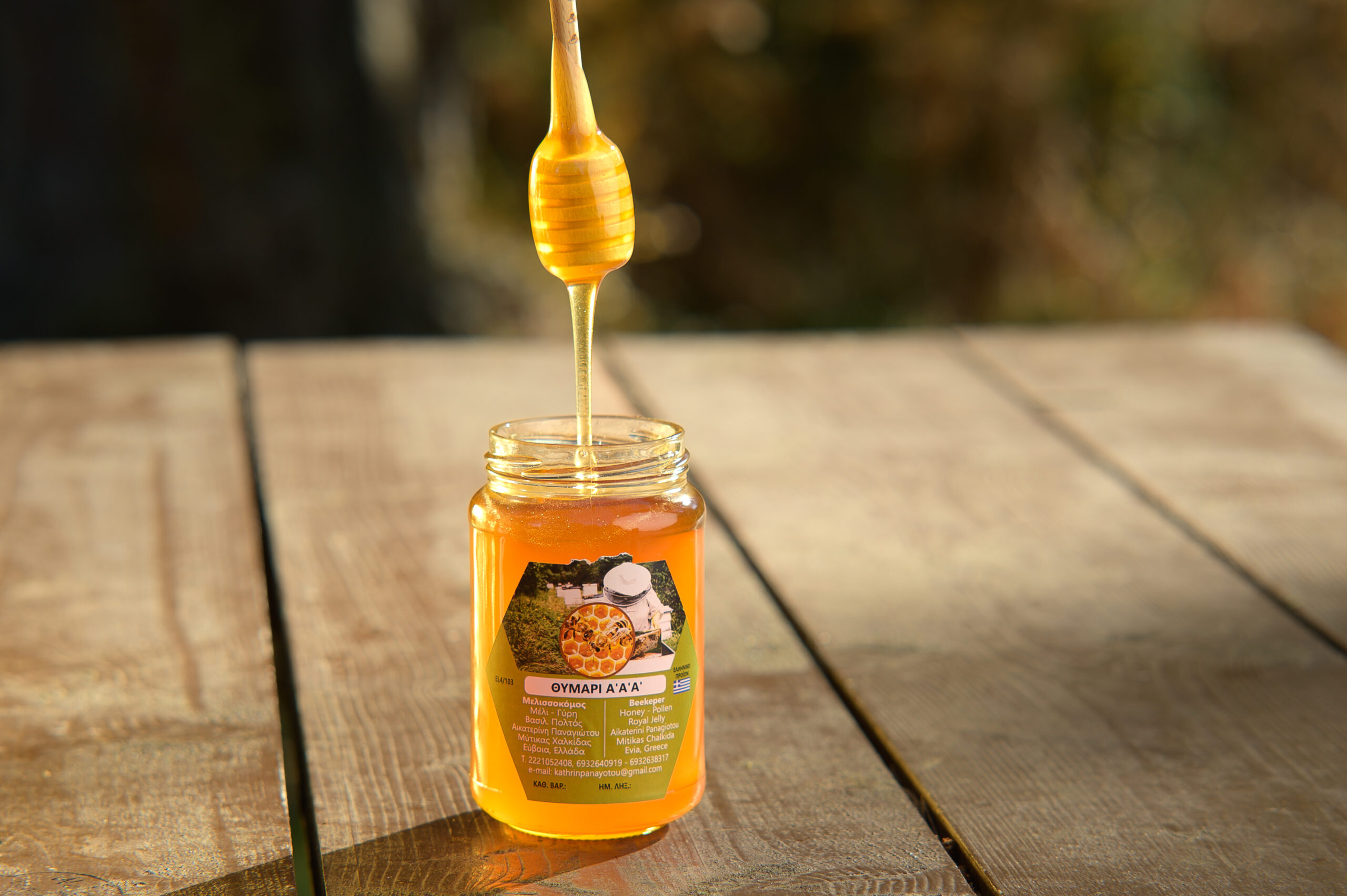
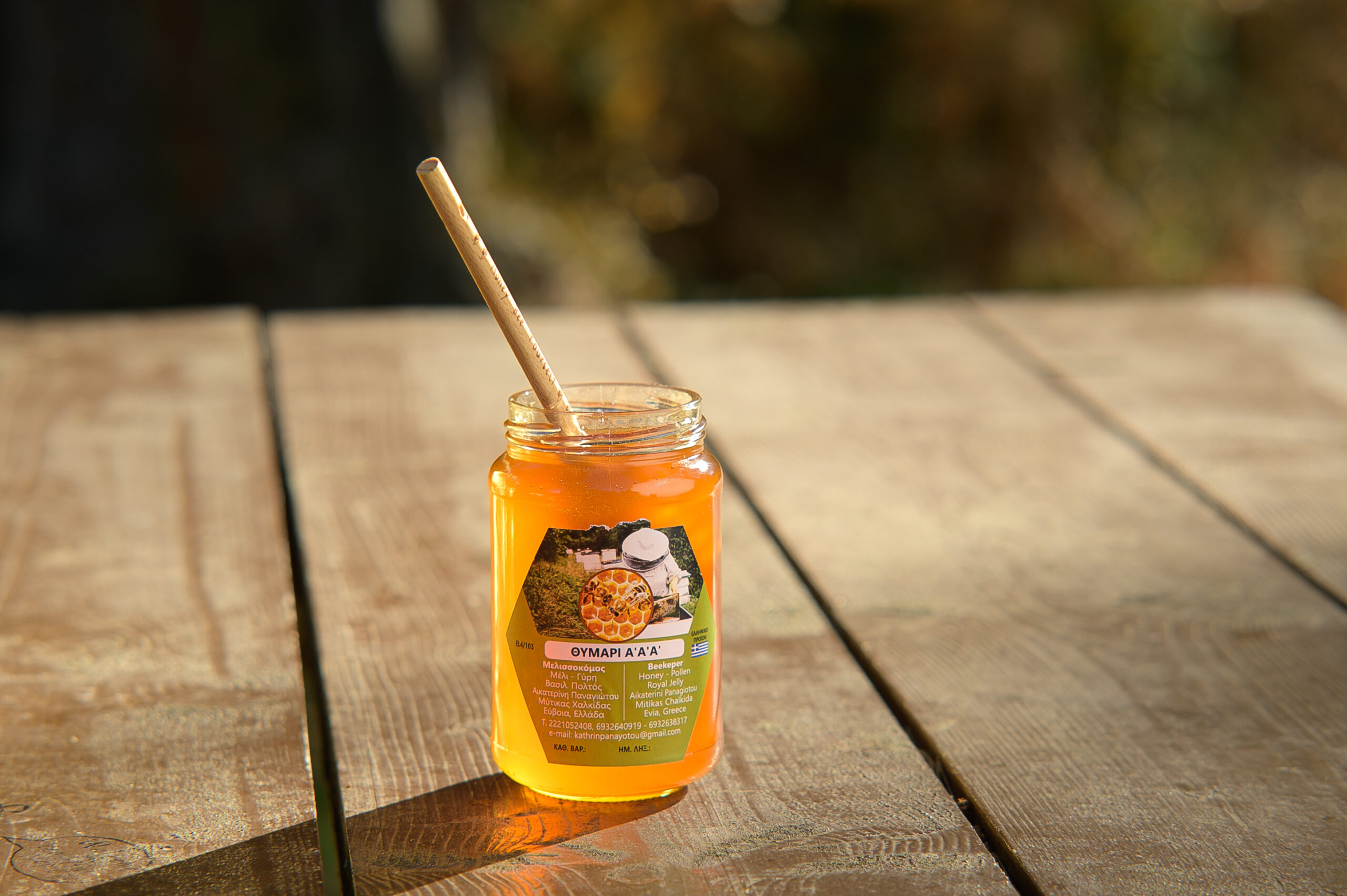
Thyme honey is of high nutritional value. It has an intense, wonderful aroma, sweet taste, with light blonde to amber color. It is produced from the thyme plant. Thyme is a shrub 5-20cm high, depending on its species. In Greece there are many species of the genus Thymus. Its flowering lasts about 30-40 days, depending on the configuration of the soil and weather conditions. It blooms during the summer months, especially during July and August. Thyme honey represents about 10% of the total honey production in Greece. It has many sensitivities.
Properties:
Honey in general is a food of high nutritional value and can be included as part of a healthy and balanced diet. It has strong antioxidant activity due to its content of phenolic acids and flavonoids. As well as antimicrobial action, since it accelerates wound healing. It has been used during surgeries or postoperatively, as in the case of burns. Soothes cough, helps improve chronic bronchitis, pharyngitis and laryngitis. It tones the body, improves heart function, reduces stomach ulcers. It generally treats gastrointestinal diseases, heartburn, constipation, as well as anorexia nervosa. Honey generally contributes to the proper functioning of the body, such as the respiratory system, immune, cardiology, digestive, urology, skin diseases, etc. It is recommended to 1 tablespoon of honey in lukewarm water 1-2 hours before eating or 3 hours after eating.
All types of honey crystallize, some more and others less, while some may never because of their composition. Blossom honeys (honeys derived from flowers, blossoms, light-colored) crystallize more quickly, due to their natural glucose content, while honey species derived from honeydew secretions (honeydew found in coniferous trees) more slowly or never. Thyme as honey belongs to the category of blossom honey. It crystallizes relatively soon.
At this point we need to point out that all types of honey are beneficial for the human body, as long as the honey is produced by the bee, this miraculous insect. The type of honey we choose has to do with what flavor we like, such as some trace elements that it may contain more percent than another variety.
Ingredients:
Honey contains more than 180 valuable elements, such as carbohydrates-sugars, vitamins, proteins, amino acids, enzymes, minerals-trace elements and organic acids.
Carbohydrates-sugars are the solid components of honey at a rate of 95-98%. About 20 types of sugars have been found in honey, such as fructose, glucose, sucrose, lactose, maltose, isomaltose, trehalose, arabinose, turanose, erlose, sucrose, raffinose, etc. The main ones are fructose and glucose with a percentage of 60-70%.
Vitamins that have been found in honey are: B1 (thiamin), B2 (riboflavin), B3 (niacin), B5 (pantothenic acid), B6 (pyrixodine), C (ascorbic acid), biotin, folic acid, A (provitamin or carotene), D, E, B12, K, etc.
Enzymes such as amylase, invertase, lipase, lactase, diastase, catalase, phosphatase, etc.
Proteins and amino acids, such as proline (the main amino acid of honey), lysine, histidine, arginine, tyrosine, leucine, glutamic acid, phenylanine, tryptophan, etc.
Minerals-trace elements, such as potassium, calcium, magnesium, phosphorus, iron, copper, zinc, selenium, sodium (in small content), potassium, chlorine, manganese, sulfur, silicon, etc.
Preservation and storage: Store in a cool and dry place.







Reviews
There are no reviews yet.