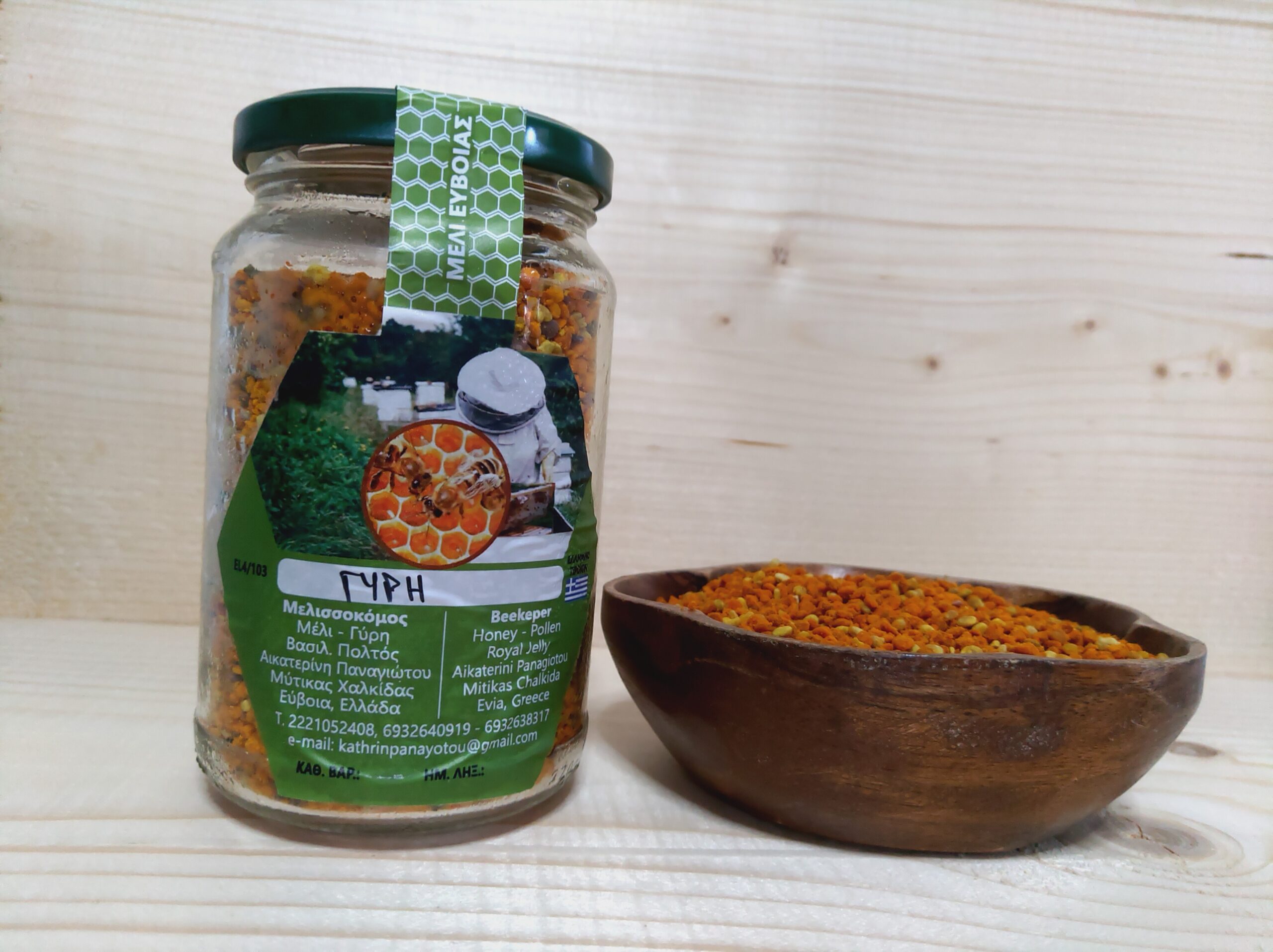
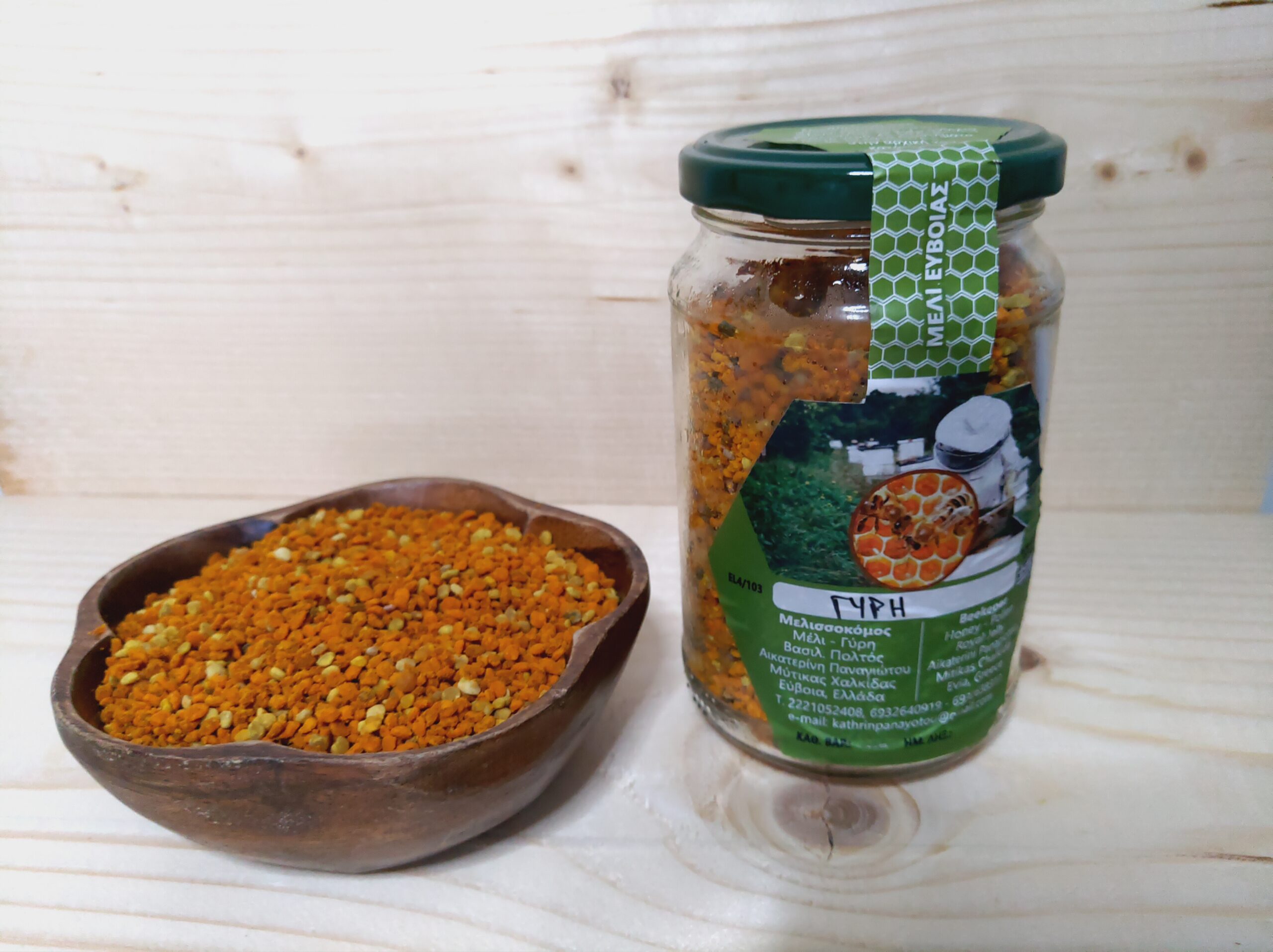
Description
Pollen is of utmost importance in pollination of flowers. It is an irreplaceable source of proteins, fats, vitamins and minerals. Pollen contains all the elements and all the energy needed to develop a new life. Rejuvenates and tones the human body.
Properties:
It has many nutritional and healing properties, such as fights chronic prostatitis, anemia, intestinal diseases, lowers blood pressure, fights insomnia, soothes nerves, reduces facial acne and facilitates the treatment of burns, helps in the functioning of the thyroid gland. Thanks to the amino acid cystine, it positively affects hair growth and hair color.
It fights stress, anxiety, depression, amnesia, inflammation of the intestines, anorexia, diabetes, fatigue, slow growth, strengthens the body’s defenses against influenza, sterilizes the digestive system, improves the condition of patients with mild allergic symptoms and helps to obtain immunization, etc.
At this point it is useful to make a distinction between pollen – dust that we breathe outside in nature, anemophilic pollen and bee-edible, that we get from bees.
Ingredients:
Nitrogenous: Proteins up to 40% and amino acids, such as histidine, leucine, lysine, valine, etc.
Inorganic minerals, such as potassium, sodium, calcium, zinc, magnesium, phosphorus, iron, manganese, copper, sulfur, etc.
Enzymes such as transferase, hydrolase, lyase, isomerase, ligase, invertase, etc.
Carbohydrates: Polysaccharides, starch, cellulose, glucose, fructose, sucrose.
Vitamins: Thiamin (B1), Niacin (B5), Riboflavin (B2), Pyridoxine (B6), Pantothenic Acid (B3), Folic Acid (B9), Biotin (Vitamin H), Vitamin C, Carotenoids (Provitamin A), Vitamin E.
How to use:
Mixed with honey it fights hepatitis (250g pollen with 500g honey).
Dosage: 15-20gr. adults, children up to 7gr.
Preservation and storage: Ensure the jar is tightly closed and kept in the freezer, so as not to come into contact with air (oxygen).


Reviews
There are no reviews yet.